When an enjoyed one remains in safekeeping and the clock is ticking, the bail bond paperwork can seem like a foreign language. Hidden in that stack is a duty that brings real weight: the indemnitor. If you have ever signed for somebody's house or co-signed an auto loan, you have seen a cousin of this duty. In the bail context, the risks are greater, timelines are tighter, and the obligations can stun also savvy endorsers. I have actually rested across tables from worried moms and dads, mindful business owners, and weary partners attempting to balance compassion with danger. The very same questions always surface: Exactly what am I assuring? What can fail? Exactly how do I reduce damage if things go sideways?
This overview unloads the useful, economic, and legal facts of being an indemnitor on a bail bond. It is created from ground level: the calls from the prison, the 2 a.m. check-ins, the court dates that action, and the documentation that complies with. No drama, no scare strategies, simply the mechanics, the compromises, and the choices that matter.
What an indemnitor is, and why the role exists
An indemnitor, often called a guarantor or co-signer, assures to cover the bail bond business's losses if the accused does not fulfill their responsibilities. Consider the bond as a monetary bridge. The court sets bail, commonly ranging from a few thousand dollars to 6 numbers for serious fees. Most families can not upload the total. A qualified bail bond agent blog posts a bond with the court, generally for a premium of 10 percent of the bond in many states, sometimes less or much more depending upon neighborhood legislation. That costs is the charge for the service, not a deposit. It does not come back after the situation closes.
The bond agent is on the hook for the full bond if the accused fails to appear. To handle that danger, the agent requires an indemnitor who has skin in the video game and assets to back it up. The indemnitor indicators a contract assuring to repay the representative for losses, prices, and costs linked to the bond. That can consist of the complete bond amount if the court surrenders it, the expense of situating and giving up the offender, and lawyers' costs if collection becomes necessary.
The role exists because courts want assurance that offenders will certainly turn up, and bond business can not responsibly take unlimited risk. The indemnitor's promise, and sometimes vowed security, shuts the loop.
How obligation truly works
The indemnity agreement is not an obscure gentleman's promise. It is a binding agreement with certain triggers and expenses. Below is the normal circulation, based upon standard industry technique and state laws:
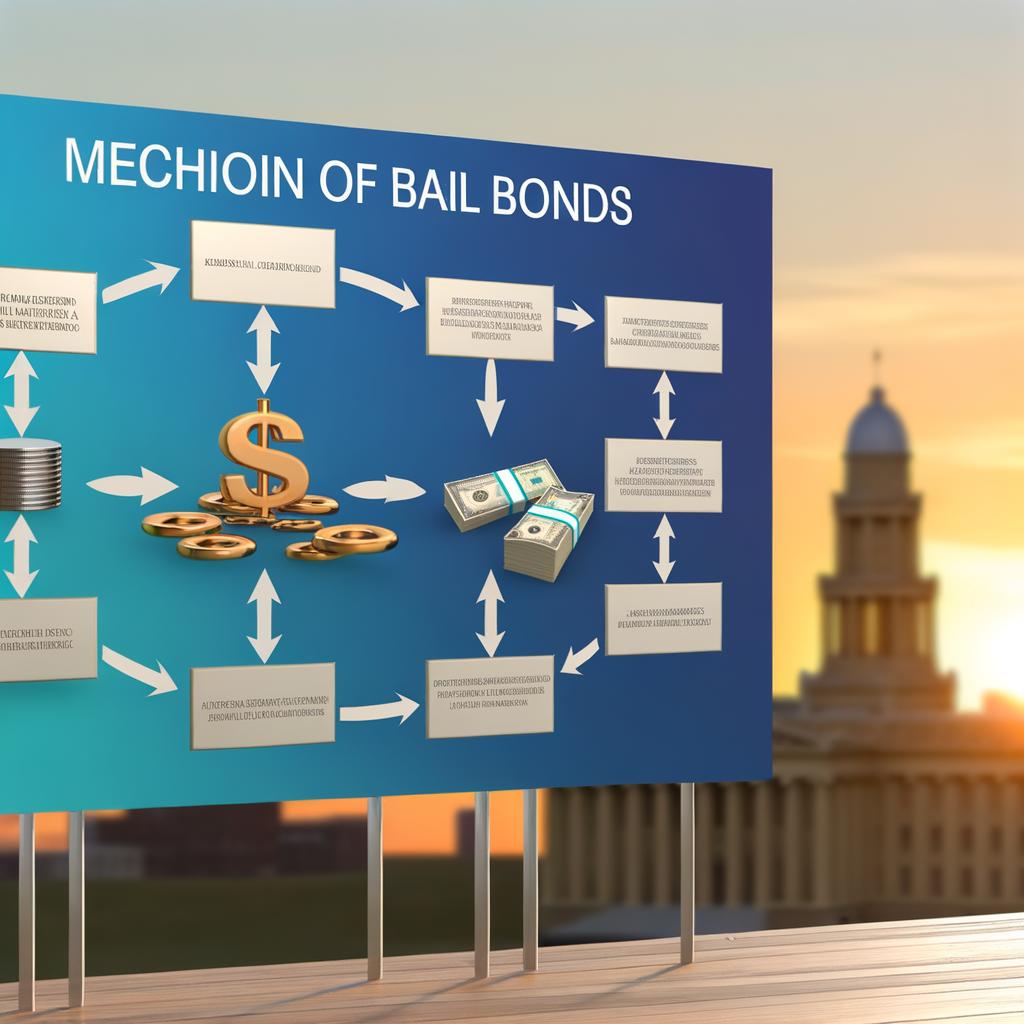
- The defendant is released on a bond. The costs is paid upfront and is nonrefundable. The indemnitor indicators a contract and might pledge collateral, such as money, a lorry title, or a lien on real property. The offender must participate in every called for court date, follow any type of problems (for example, no traveling without authorization), and remain in contact with the agent if required by the contract. If the defendant misses court, the court might provide a bench warrant and begin loss procedures on the bond. There is typically a grace period, ranging from a week to numerous months, during which the representative can return the accused to custodianship or persuade the court to renew the bond. If the bond is surrendered and not restored, the agent has to pay the court the full bond. The representative then transforms to the indemnitor for repayment, plus recovery costs, interest, and fees enabled by agreement and law.
The range of responsibility surprises people. A $50,000 bond on a mid-level felony might call for a $5,000 premium. If the case goes sideways, the indemnitor's exposure is not restricted to that $5,000. It can include the full $50,000 and expenditures, if the court eventually takes the bond and the representative can not mitigate.
Premiums differ by territory, commonly in between 8 and 15 percent of the bail. Payment plans are common, yet late installment plans do not alter the indemnitor's commitment if loss occurs. The costs is the price of release, not a deposit against loss.
Collateral: what it is, how it is held, and when it is returned
Collateral sits behind several bond contracts. It comforts the representative that losses can be recouped. Cash money and property are one of the most common. With cash collateral, the representative holds funds in a depend on or escrow account. With real estate, the agent documents a lien. With lorries, the representative may hold the title. Sometimes jewelry or organization tools is pledged after assessment, though many representatives avoid hard-to-value items.
Well-run firms provide a collateral invoice, discuss where it is held, and specify the problems for release. The general regulation is simple: when the bond is pardoned by the court, implying the situation ends or the commitment is discharged, the representative returns security minus any kind of contractually permitted deductions. Costs are not security and are never returned. Delays in returning collateral normally come from paperwork stockpiles or unsolved charges such as unsettled GPS ankle monitor prices or skip-trace expenditures. If the bond was renewed after a failing to show up, expect the agent to integrate costs before launching collateral.
If real property is collateral, ask exact questions. Is the lien very first or second setting? What are the problems for release, in composing? What happens if the home is marketed while the instance is pending? Smart indemnitors coordinate with their title business prior to detailing a home on the marketplace and get a written payback statement from the agent.
What the indemnitor really does day to day
Many indemnitors imagine their duty as totally monetary. In technique, the efficient ones act like a casual case manager. The goal is basic: stay clear of the 3 things that explode bonds, particularly missed court, brand-new arrests, and loss of contact.

Calendar control matters greater than pep talks. Create a common schedule with reminders for court days and pretrial check-ins. Confirm the courtroom number and time the day in the past, then again the early morning of. If the defendant relies upon public transport, plan for delays. An accused who strolls in five minutes late can still be significant absent. I have seen bonds torpedoed by a flat tire on the highway and by a dead phone that blocked a final contact us to the staff. Allow slack.
Communication with the bond agent ought to be friendly and recorded. Send updates if the court reschedules. Request for composed verification when the bond is vindicated. If the offender is dealing with material use or unpredictable real estate, tell the agent early. Several agencies choose aggressive openness to shock failures, and some will certainly assist collaborate check-ins or reminders.
Travel is risky. Also a weekend out of region can breach problems. If traveling is essential, get created consent from the court or pretrial solutions, and provide the representative a copy. Guesswork is not a plan.
The lawful foundation: agreements, laws, and court discretion
Indemnity civil liberties flow from the contract, but enforcement adventures on state law. The majority of states regulate bail bond costs, collateral handling, and the procedure for loss and reinstatement. Juries have considerable discernment to set conditions and to reinstate bonds after a failing to appear if the accused returns promptly and has a reputable explanation.
Key lawful attributes turn up time and again:
- Written indemnity agreements manage. If the agreement states the indemnitor owes "all prices of recovery," courts usually impose that pledge unless the prices are unprincipled or break statute. Forfeiture timelines are genuine. Some jurisdictions give 90 to 180 days after forfeiture to create the accused and seek relief. If the due date passes, the court enters a judgment, and collection escalates. Collateral guidelines are controlled. Agents must make up security and might encounter penalties for falling short to return it immediately after exoneration. That stated, conflicts over charges can stall launches until resolved.
Public protectors and defense attorneys focus on the criminal instance, not the bond. If you need to oppose a bond loss or a collateral dispute, a civil attorney knowledgeable about guaranty and collections law is a better fit. The crossover can be confusing, so do not think one legal representative covers both worlds.
Risk evaluation before you sign
Signing out of love is natural. Signing without a plan is costly. Before dedicating, consider 3 variables: the offender's performance history, the case's anticipated timeline, and your financial resilience.
Track document is not simply criminal history. It is integrity. Did this individual make it to clinical consultations and job meetings on time? Will they answer the phone? Do they have stable housing? If the answer is shaky, you require more powerful controls: closer guidance, smaller sized travel span, and explicit ground rules.
Timelines issue. Some misdemeanors solve in weeks. Felonies can drag for a year or longer, specifically if activities stack up or laboratory results lag. Longer situations raise the probabilities of missed hearings and life disturbances. Ask the defense lawyer for a sensible series of days. Build your life around that, not around one of the most confident projection.
Financial durability is your barrier. Presume the worst-day situation: a loss, plus recovery prices, plus months of collection pressure. If that risk would certainly imperil your home mortgage or your company, you need to stop briefly or search for choices like pretrial launch programs or lowered bail movements. Pain today is less costly than mess up tomorrow.
Practical safeguards that reduce exposure
I have actually seen simple habits protect against expensive failings. Framework beats hope every time.
- Put everything in creating. Maintain copies of the bond receipt, the indemnity arrangement, collateral documents, and every timetable modification from the court. Shop them in a shared folder you can reach from your phone outside the courthouse. Run a transportation drill for the first court day. Drive the course at the exact same time of day. Identify the parking lot or bus line. Courts are their very own ecological communities, and some require safety screening that adds 20 minutes. Use redundant reminders. Calendar informs, message nudges, and a printed routine on the fridge. Individuals under stress fail to remember. Equipments remember. Set specific borders. If you discover brand-new apprehensions, address them with the agent promptly. Silence generally makes points even worse. If needed, set up a voluntary abandonment to reset the bond before forfeiture snowballs. Confirm exoneration. Do not presume the situation mores than even if an appeal was entered. Request for the court's bond exoneration order, after that comply with up with the representative for security launch in writing.
What happens when the offender misses court
Missed court does not immediately equivalent calamity, but the clock begins. The bail agent will call you within hours. The initial step is damage control. Find the factor, repair it, and get the offender back before a judge. If it was an organizing mistake or health problem, bring paperwork. In some court houses, walking https://manuelflaf038.timeforchangecounselling.com/just-how-bail-bonds-work-in-different-states right into the clerk's office within a day or two can obtain a new court day without causing loss. In others, only a bench warrant recall in open court will certainly do.
Bail agents differ in action. Some act quickly, sending out healing representatives to locate the offender. Others wait to see if you can prepare a surrender. If you understand where the defendant is and they agree, work with a safe, daytime abandonment. Avoid weekend evenings when staffing is slim and delays are long. Bring medicines and get in touch with information for the attorney.
If the court forgives the absence and restores the bond, anticipate brand-new conditions: more regular check-ins, maybe a general practitioners monitor, in some cases medication screening. These conditions bring charges. That pays them depends upon your agreement. Review your contract, then obtain any brand-new charges documented.
When bail is increased or withdrawed mid-case
Cases develop. District attorneys add fees, courts transform problems, and new apprehensions disrupt every little thing. If bail is elevated mid-case, the old bond is not automatically invalidate, yet you will certainly need to arrange for the difference, either by extra security or a brand-new bond. If bond is revoked, the bond is vindicated, which seems great but might not be. Exoneration in this context can still activate costs you owe under the agreement. Make clear with the representative what last accounting looks like.
If the accused is taken back right into guardianship and held without bond, your danger on that bond evaporates once the court exonerates it. Until after that, keep documents and await the paperwork. Early assumptions lead to disagreements that could have been avoided with a week's patience.
Comparing alternatives to a commercial bail bond
Commercial bond is not the only path. Some territories offer launch on recognizance for low-risk accuseds, protected by a guarantee rather than cash. Others make use of deposit bonds, where you upload a percentage straight with the court, normally around 10 percent, refundable at instance verdict minus charges. Eligibility depends on risk analyses and local policy. If the defendant certifies, down payment bonds can save cash and get rid of the indemnitor's direct exposure to an exclusive agent.
Public safety analyses, pretrial supervision programs, and attorney-filed activities for bail decrease additionally alter the calculus. A well-prepared bond testimonial movement, sustained by employment letters, area connections, and therapy plans, can decrease bail by 10s of thousands, which lightens the problem on the indemnitor. Lawyers that do this consistently recognize just how to frame the defendant's stability and decrease judicial stress and anxiety. Inquire about it early, ideally within the very first two days after arraignment.
A practical take a look at recovery representatives and costs
If an offender absconds, recovery agents, frequently called bounty hunters, might obtain involved. Their authority and training needs differ commonly by state. Some need licenses, others do not. Trusted agencies make use of specialists who recognize the regulation and keep tidy documentation. Less expert drivers create risk, including civil obligation if they damage rules.
From a price standpoint, recovery is not affordable. Traveling, security, database accessibility, and field work add up rapidly. I have seen bills range from a few hundred dollars for a regional pick-up to several thousand for an out-of-state locate and surrender. Your indemnity agreement most likely obligates you to these prices if the accused's conduct made healing needed. If recovery profits, ask the representative for itemized billings and copies of any type of reinstatement motions filed. Excellent documents make hard numbers easier to accept.
Special scenarios: juveniles, immigration holds, and multiple bonds
Juvenile cases normally do not make use of industrial Bail Bonds in the same way as adult cases, though some states have hybrid systems. When they do, courts consider parental duty greatly. Parents typically wind up as indemnitors, and the expectations for guidance can be greater. Permission and discover regulations vary, so check out carefully.
Immigration holds make complex whatever. If the defendant has an ICE detainer, publishing a criminal bail bond can lead to prompt transfer to federal protection. That does not automatically vindicate the criminal bond. In some cases the court expects the offender to appear, and if ICE releases the individual somewhere else, looks can be missed inadvertently. Coordinate between the criminal lawyer and a migration attorney prior to uploading. If elimination is likely, reconsider the knowledge of compensating a bond the defendant can not satisfy.
Multiple bonds across various cases multiply risk. Courts schedule hearings individually, and conflicts prevail. Miss one appearance while going to an additional, and you can still trigger forfeiture unless the court accepts the conflict as great reason. Build a master calendar that consists of every instance number, courthouse, and judge. When disputes arise, the defense attorney need to submit a notice immediately so the record mirrors the legit clash.
How to resolve disputes with the bond agent
Disagreements take place, generally over fees or the timing of collateral return. Begin with the contract. Identify the clause that deals with the contested product, then ask the agent to point to their authority for the fee or delay. Keep the tone expert. If that delays, escalate to the firm's proprietor or conformity manager. Numerous states certify agents via a department of insurance coverage or similar regulator, which accepts issues. Filing a complaint needs to not be your very first step, but it is an alternative if the representative stonewalls.
Mediation can function when emotions run high. A half-day session expenses less than lawsuits and often produces a compromise: partial charge decreases, layaway plan, or faster lien launches. Lawsuits is the last hope. It is slow-moving, public, and pricey. If you perform, bring the total proof and expect the court to use the contract strictly.
The human side: what experienced indemnitors do differently
A couple of practices divide the stress-tested from the bewildered. They deal with the bond like a little project with a begin, a timetable, and a bargain. They assign duties: one person tracks court dates, one more handles transport, and a 3rd maintains records organized. They talk plainly with the accused regarding repercussions, not as dangers but as common facts. They do not think romantically the scenario, and they do not demonize it either. They think life will throw curveballs, so they develop buffers right into time and money.
I remember a grandma that kept a spiral notebook for her grand son's case. Every call, every date, every cost went in that book. When a staff mis-entered a hearing day, her notebook saved the bond. She revealed the confirmation letter, the representative backed her up, and the judge reinstated with a caution. That spiral notebook was not elegant, yet it was a system.
If you should take out as an indemnitor
Sometimes you require out. Agreements usually allow an indemnitor to ask for the defendant's surrender and the bond's retraction. That sounds rough, yet it is better than allowing a slow-motion failure collision right into a complete forfeiture. If the accused is ignoring calls, utilizing substances greatly, or discussing missing, call the representative and the defense attorney. Arrange a regulated surrender at a day and time that minimizes injury. Anticipate hard feelings, yet regard the mathematics. Your obligation is contractual, not parental, and you are allowed to secure yourself.
Be aware that surrender does not get rid of overdue premiums or accrued expenses. You might still owe fees, however you stay clear of the nuclear outcome of a loss judgment. Request a written accounting after the surrender and keep it.
Final thoughts that aid in the moment
When you serve as an indemnitor on a bail bond, you are taking on a supervised risk. The risk is manageable with structure, documentation, and clear-eyed boundaries. Read the agreement aloud prior to you sign. Ask boring concerns about fees, timelines, and collateral releases. Build a repetitive routine that deals with every court day as a trip departure, not a dental expert visit. If troubles arise, act within hours, not days. And if the scenario outgrows your ability, utilize the devices the system provides, consisting of surrender and reinstatement, on trial locks in a forfeiture.
The bond system is imperfect, yet it has lanes for mindful drivers. With the best behaviors, you can help someone you respect without mortgaging your future.